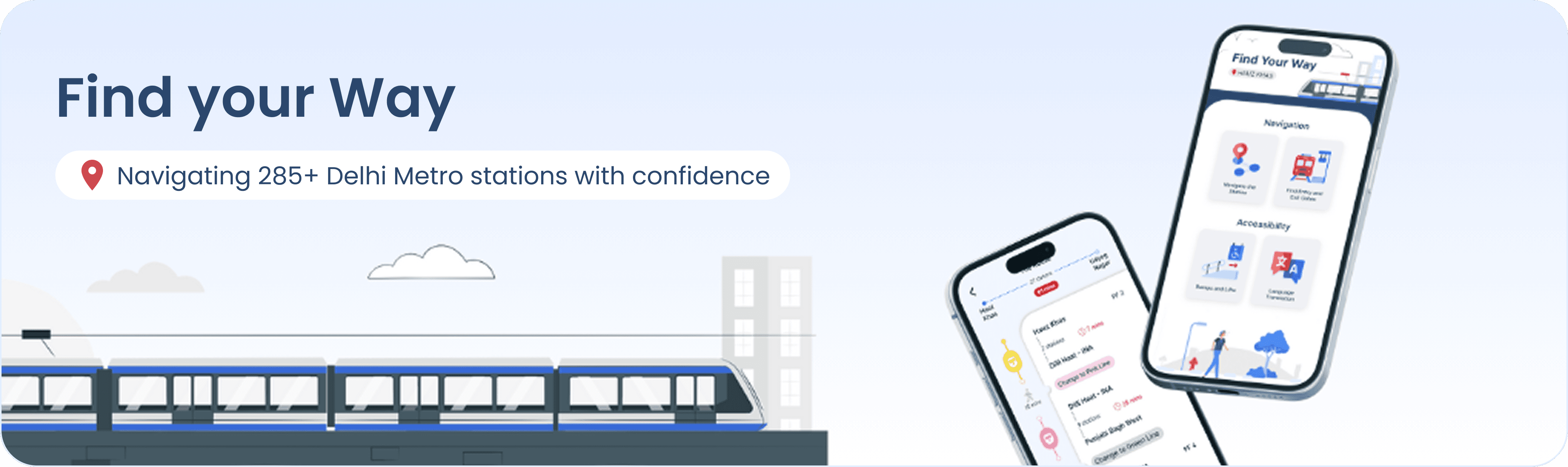
Making metro navigation intuitive for 5+ million daily riders
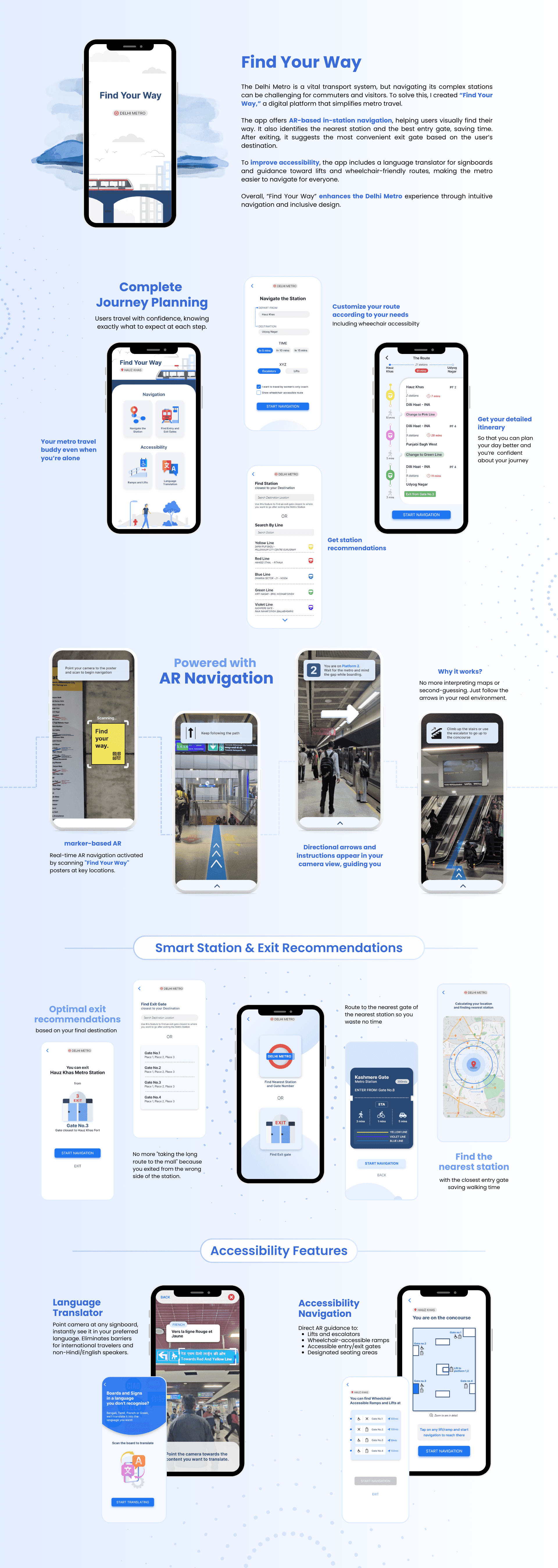
Every day, millions navigate Delhi Metro's 285+ stations—but complex multi-level layouts, color-coded signs, and multiple line changes leave many confused and stressed. I created "Find Your Way," an AR-powered navigation app that guides travelers seamlessly through stations, eliminating the guesswork.
An accessible navigation solution that turns intimidating metro journeys into confident experiences—especially for first-time travelers, tourists, and people with disabilities.
UX Researcher & Designer (Solo)
10 weeks (Oct - Dec 2023)
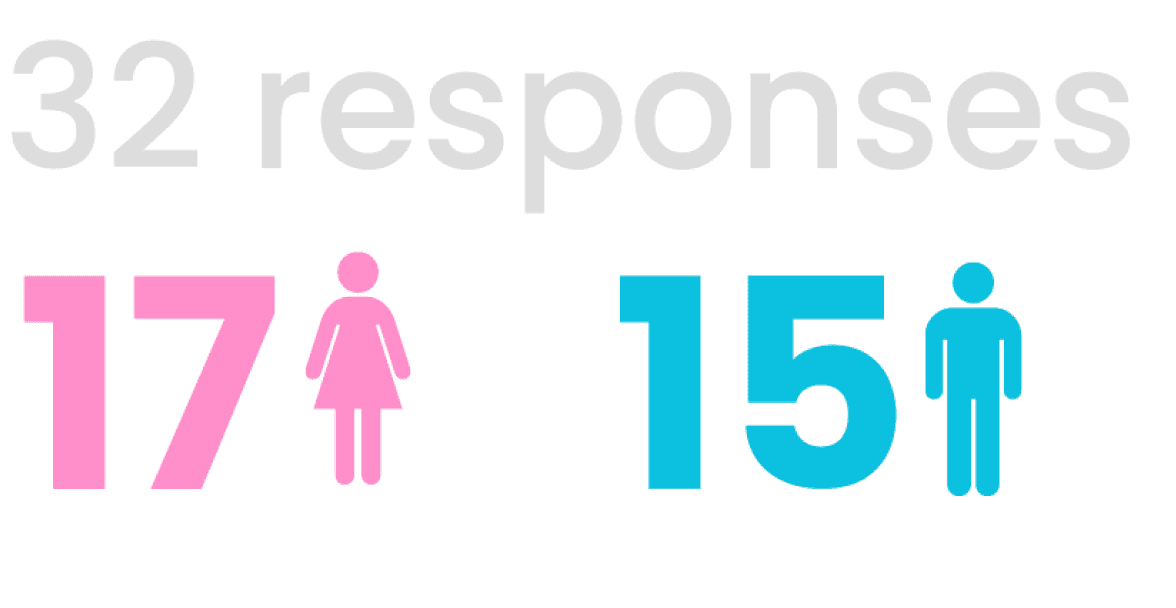
User Research (32 survey responses, field studies, interviews)
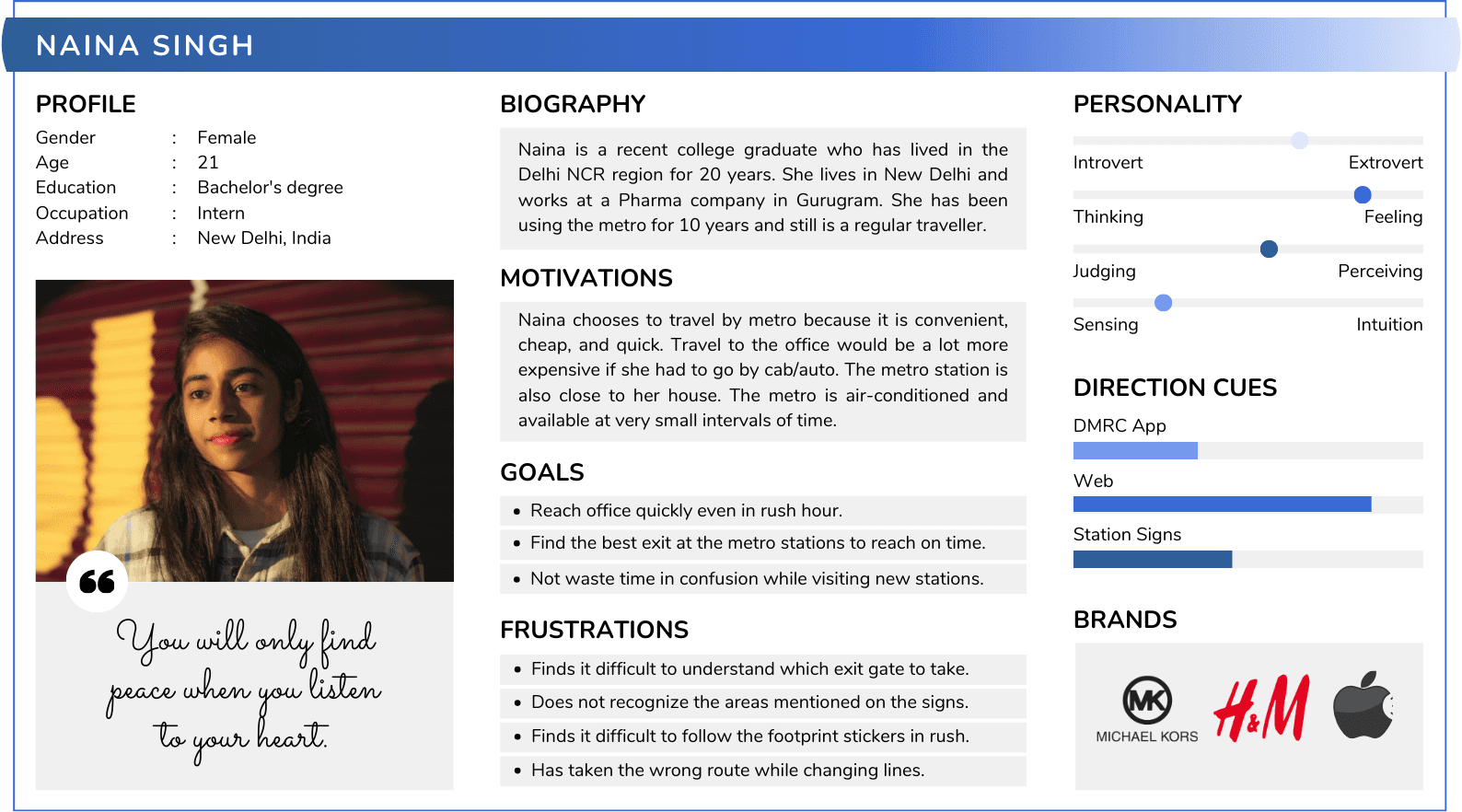
4 User Personas & Journey Maps
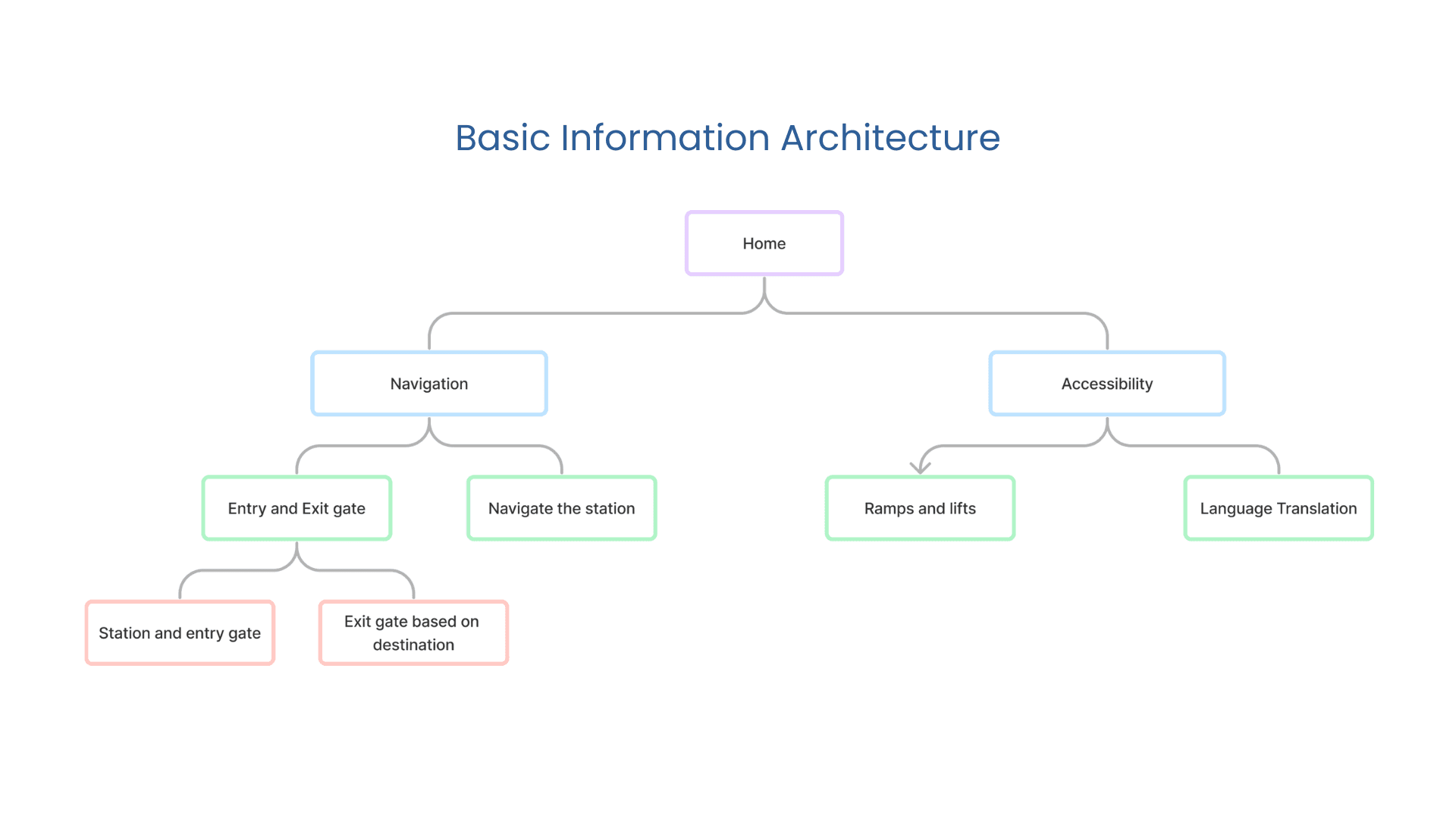
Information Architecture
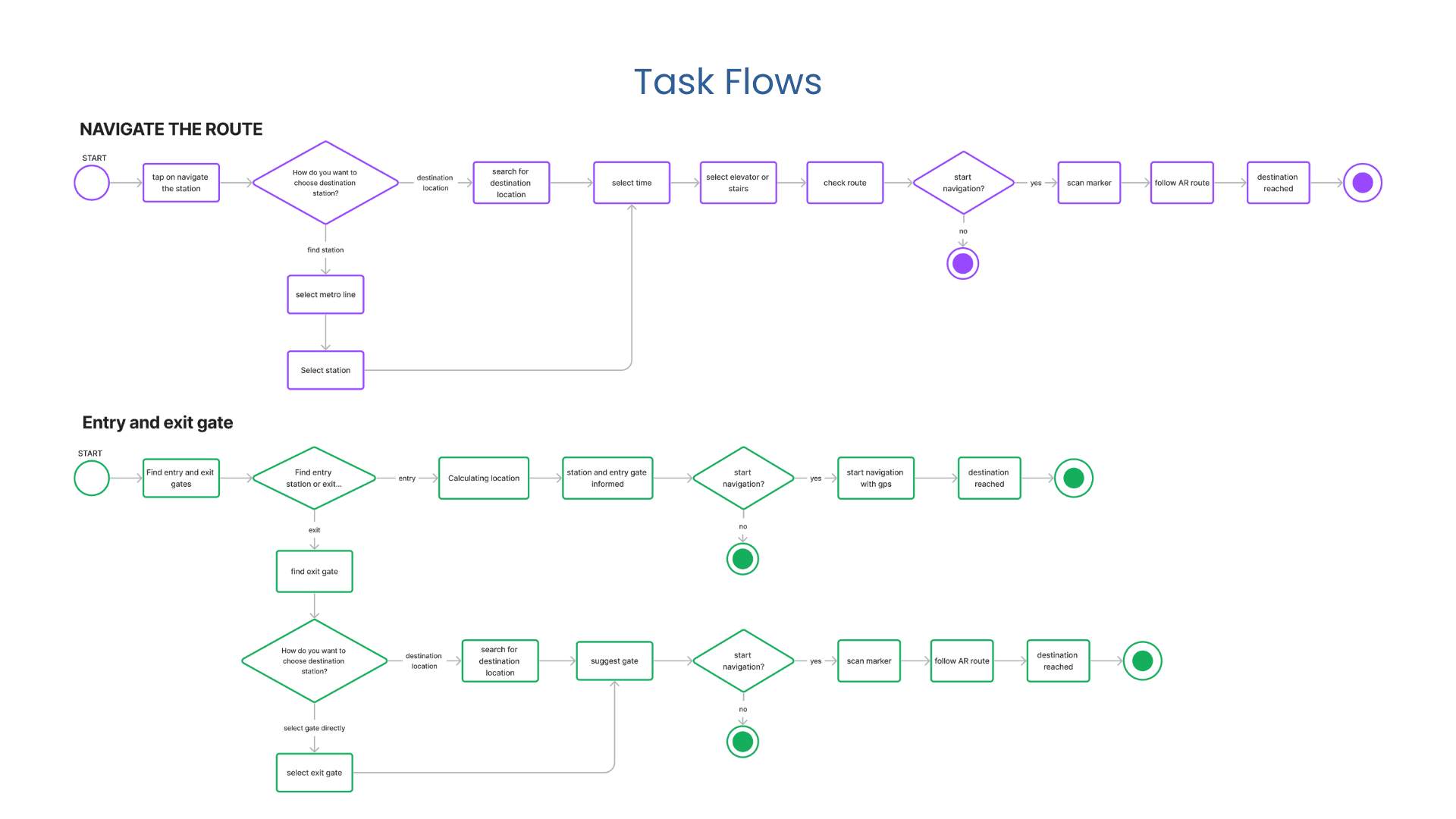
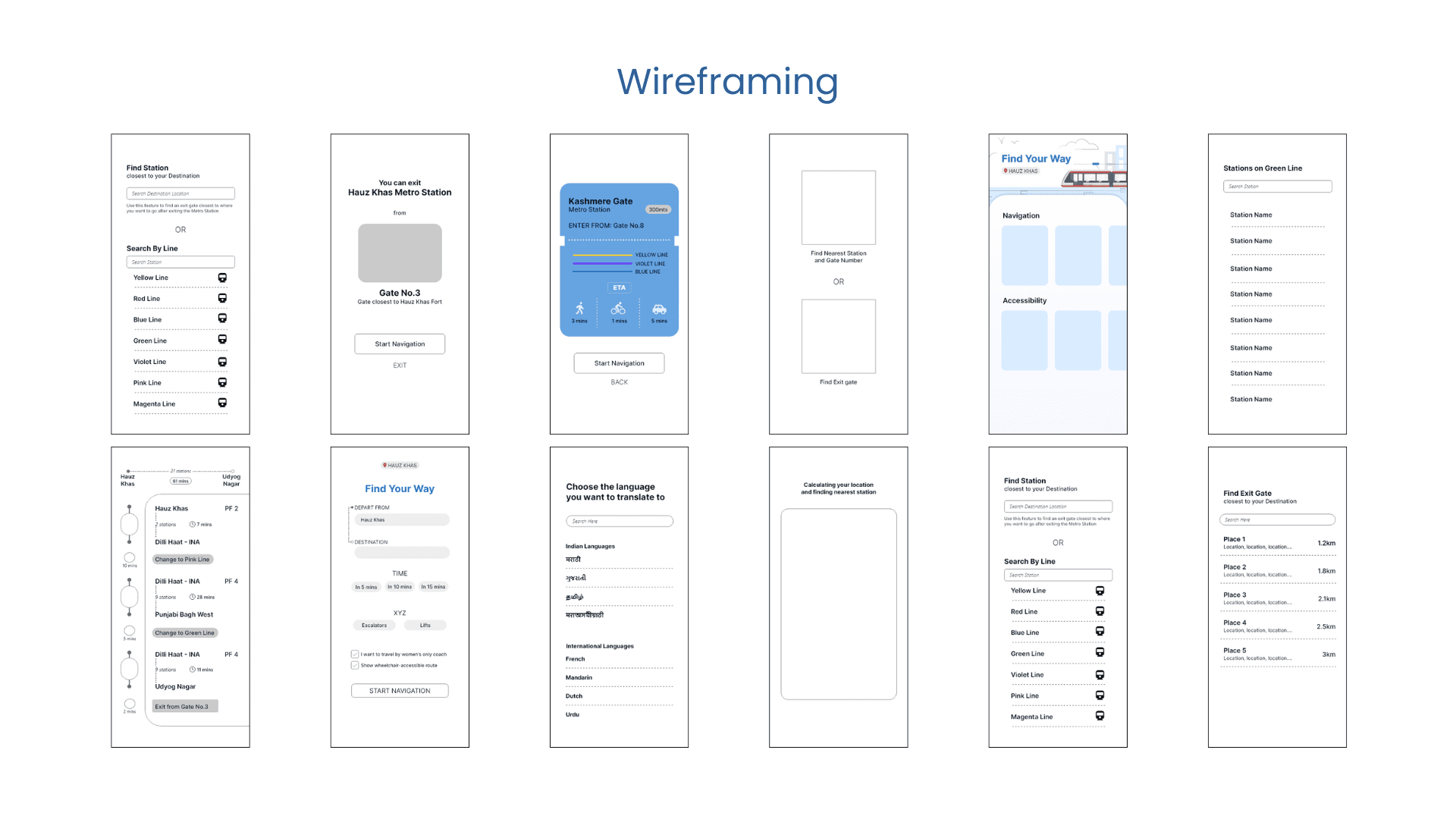
Task Flows & Wireframes
AR Navigation Prototype
Delhi Metro is one of the world's largest systems—but navigation feels broken.
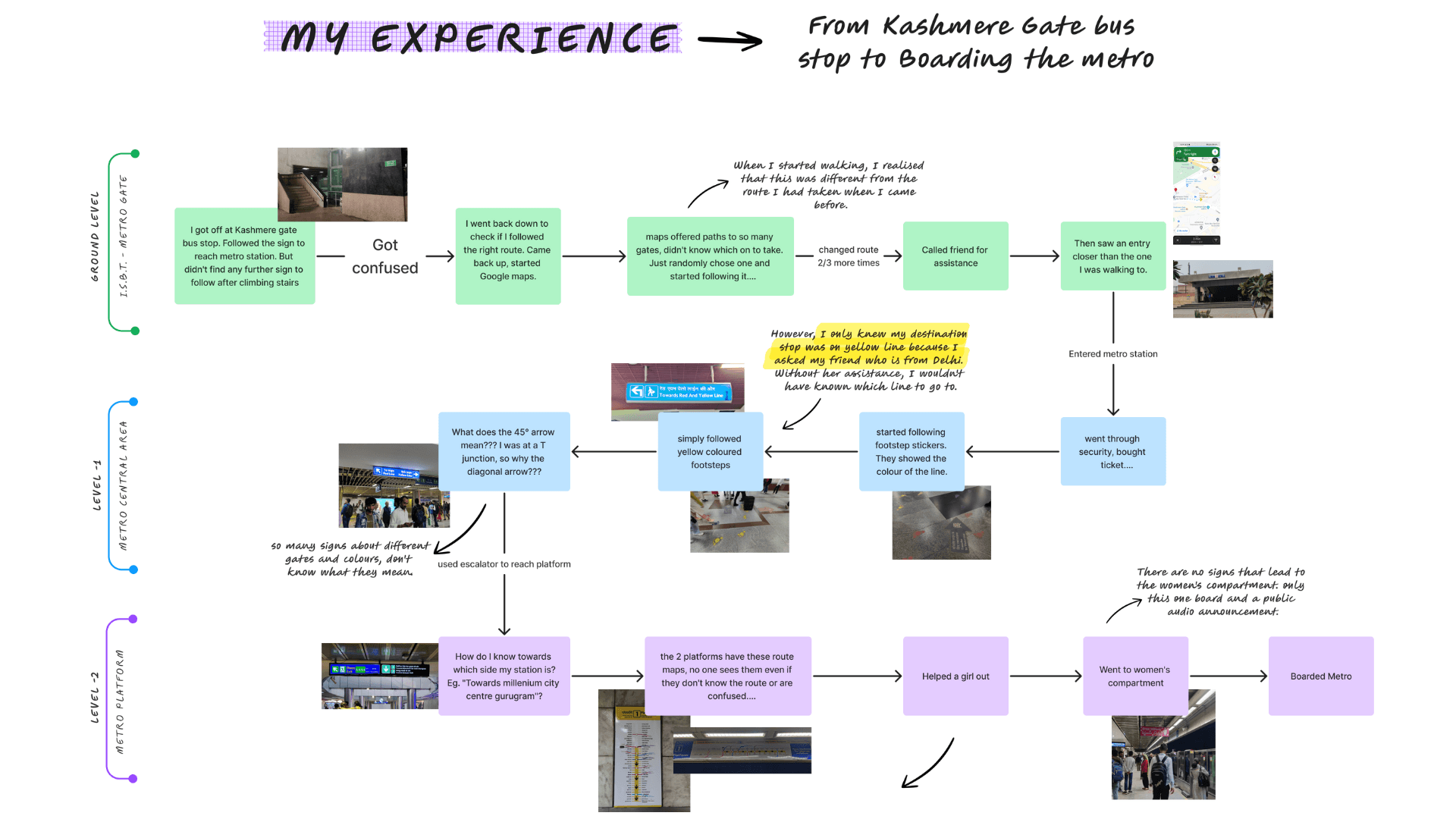
After my own confusing experience changing lines with three friends, each struggling differently, I knew something needed to change.
Here's what I discovered:
Why Navigation Fails?
Complex
Infrastructure
Multi-level stations spanning 3-5 floors above and below ground
Multiple metro lines intersecting at single stations
285+ stations across the network with 5+ million daily riders
Broken Wayfinding Systems
Color-coded footprint stickers that peel off, fade becoming unreliable
No clear guidance on which exit gate leads to your final destination
Sign boards only in Hindi and English, creating barriers for international travellers
The Human
Impact
Travelers constantly second-guess their decisions
First-time users feel intimidated and anxious
Wrong exits waste time and energy
"How might we help millions of daily riders—from experienced commuters to first-time visitors—navigate confidently without relying on worn stickers and guesswork?"
Rather than jumping to solutions, I needed to understand:
"Why do people get lost, and what do they actually need?"
Field Study
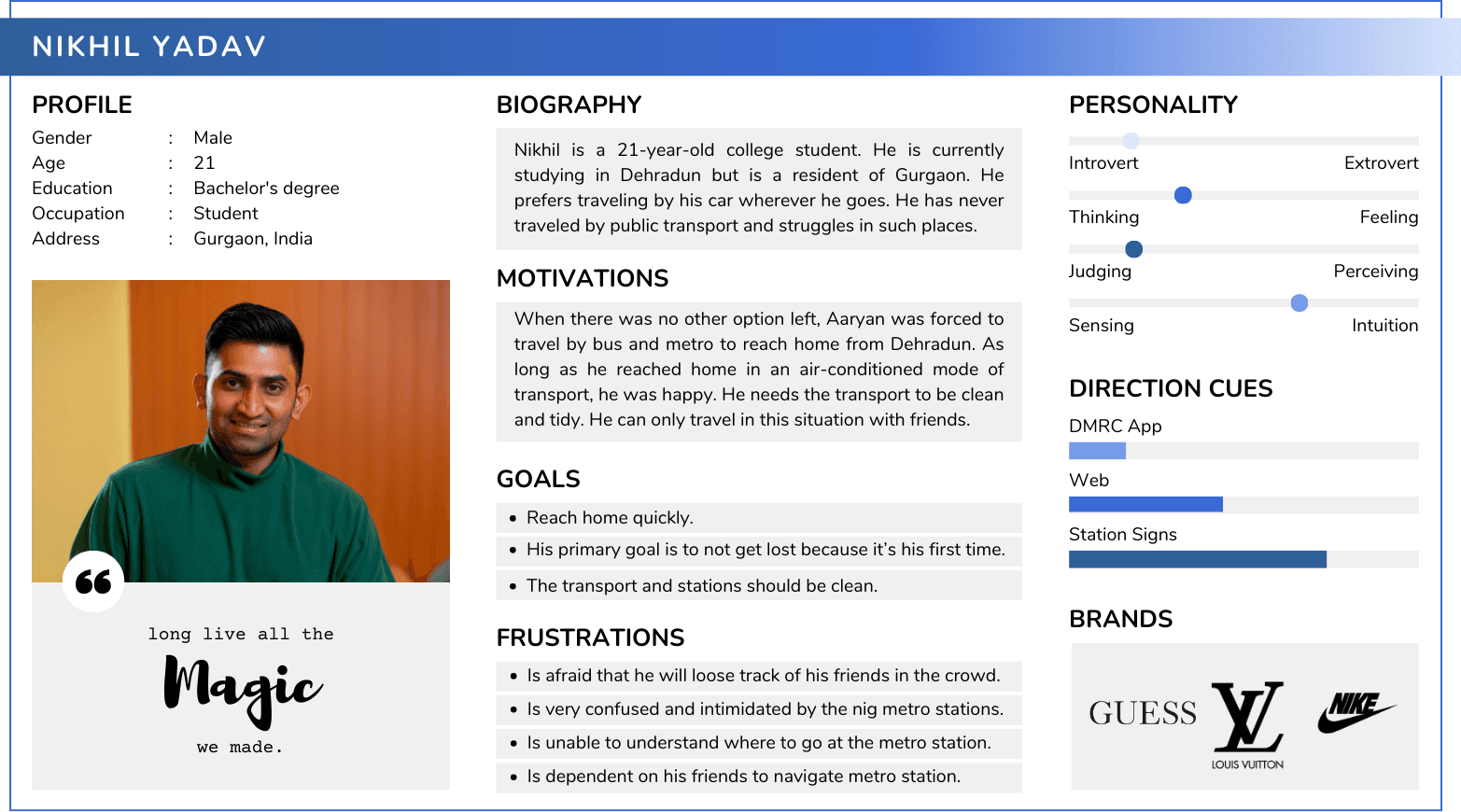
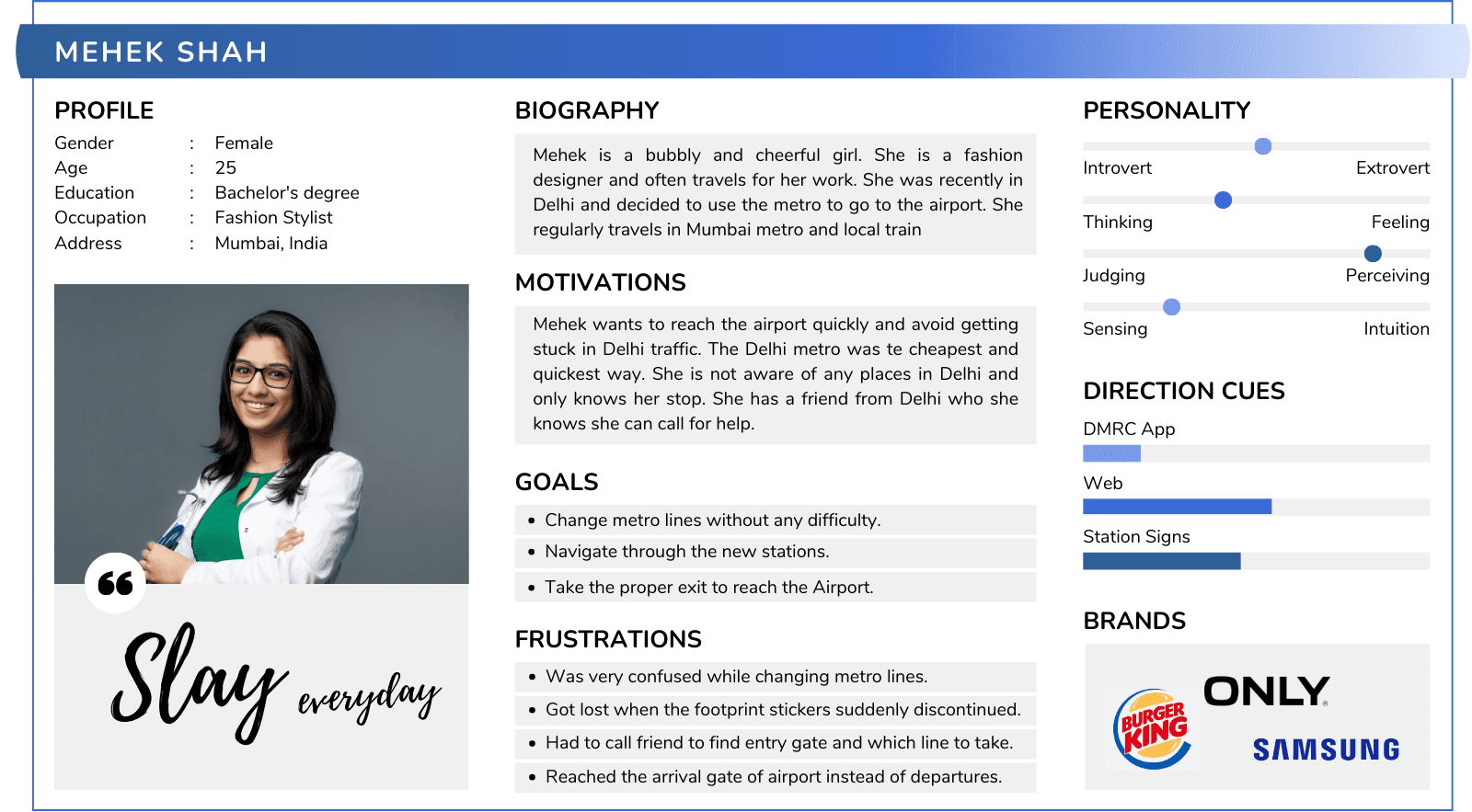
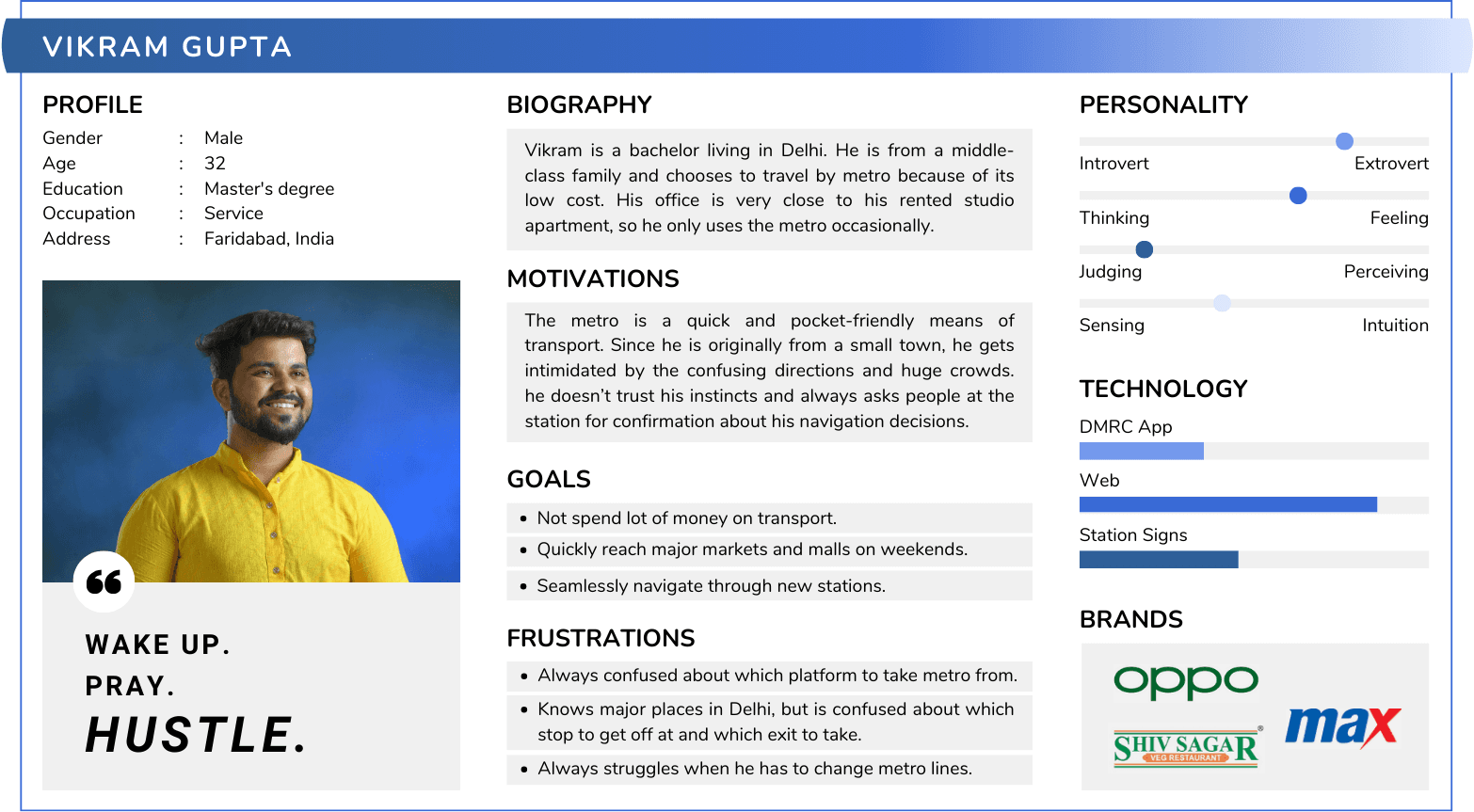
Navigation isn't just about finding your way—it's about feeling confident in your decisions.
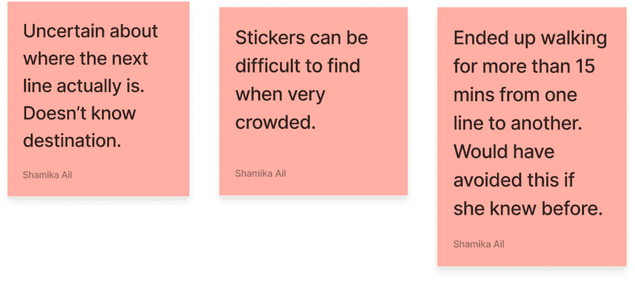
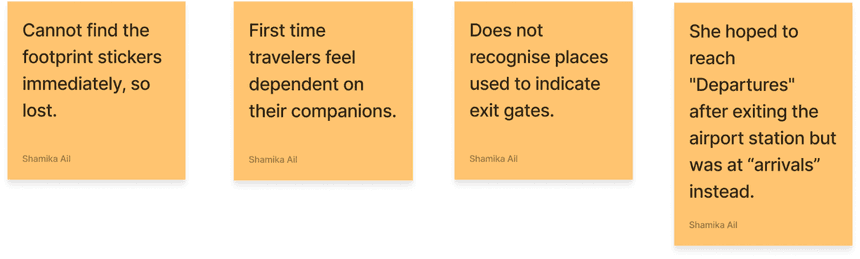
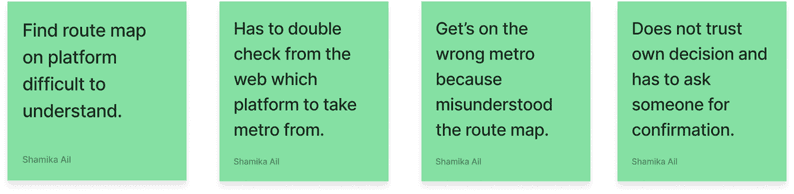
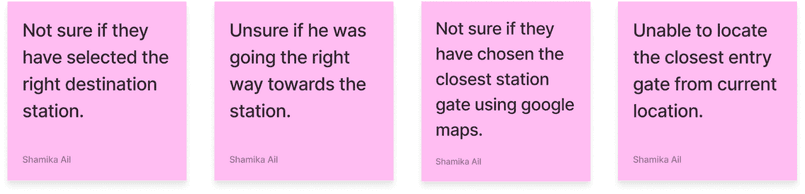
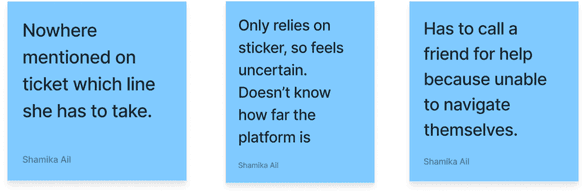
What I discovered:
The confidence gap:
With clear understanding of user needs, I began exploring how to build confidence through design.
I established four principles to guide every design decision:
Give direct answers, not puzzles to solve. Users should never second-guess their route.
Work for everyone—color-blind travelers, non-English speakers, wheelchair users, and first-timers.
Navigation should adapt to where you are and where you're going—not give generic directions.
Use AR to bring navigation into the real world, making it intuitive and immediate.
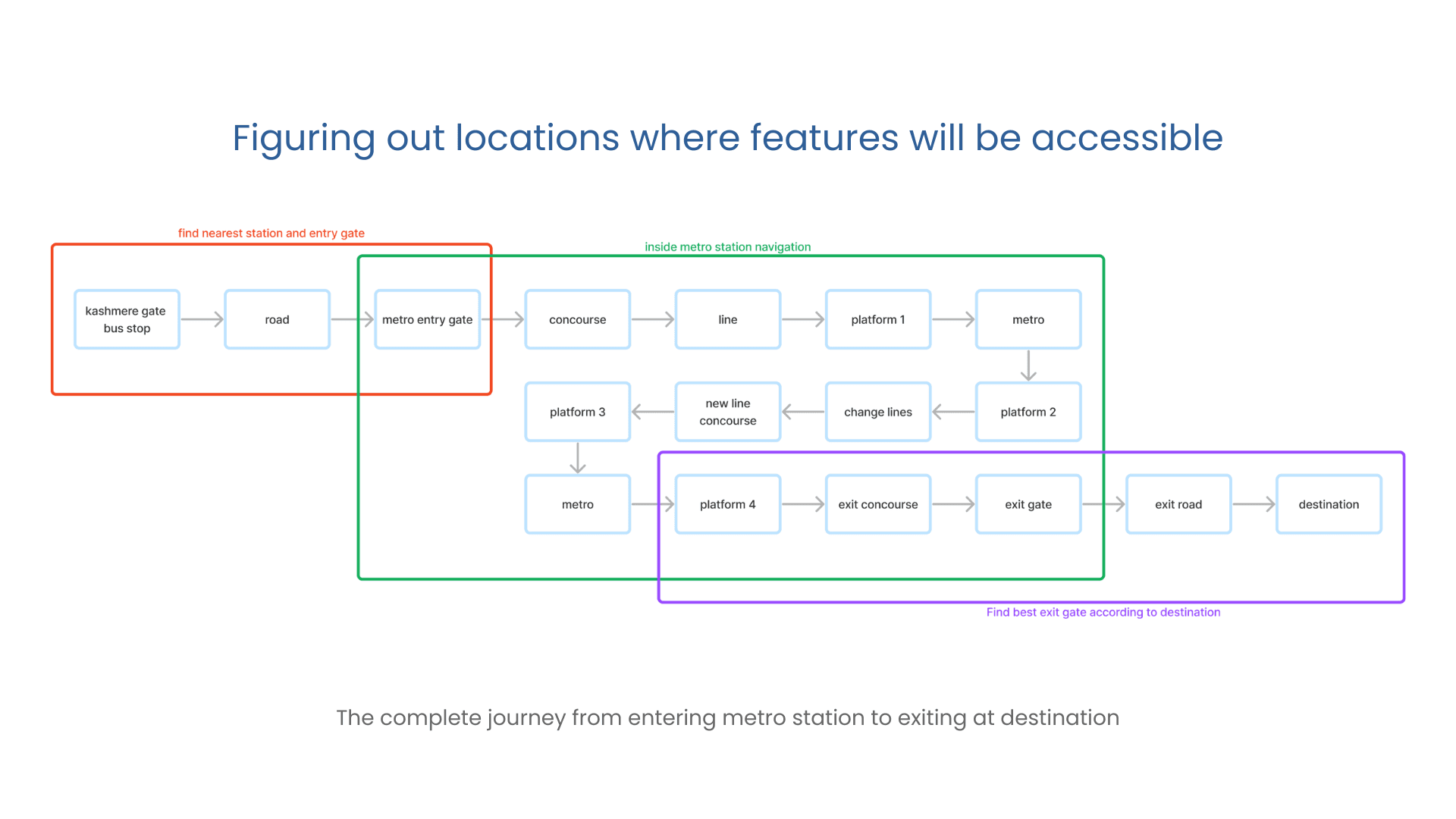
I mapped out potential features based on the complete journey:
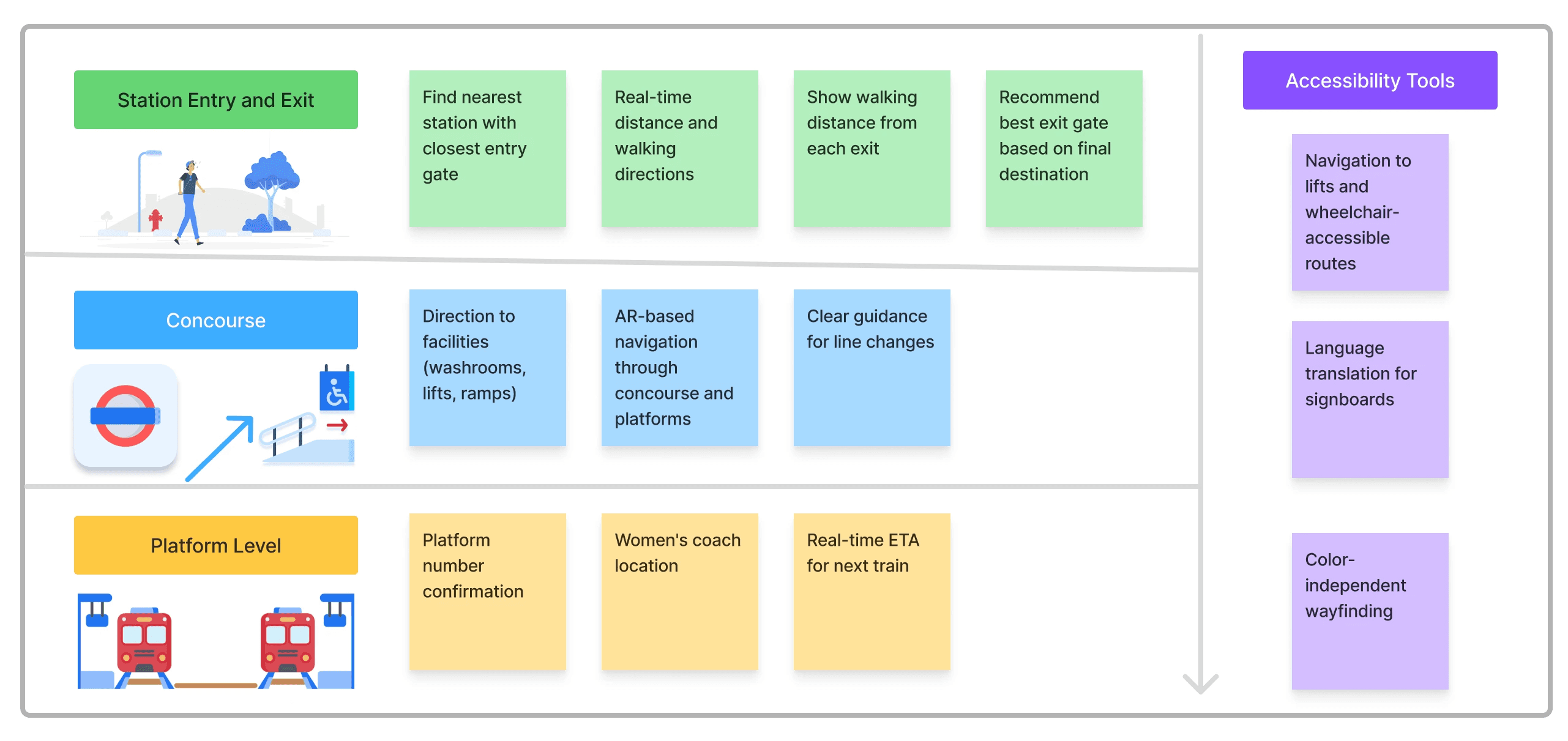
Implementation approach:
Future evolution:
Key Takeaways
Users don't want options, they want answers
Navigation anxiety stems from uncertainty. People don't trust their own decisions in unfamiliar spaces. Great navigation design removes that burden by confidently making decisions for them.
This taught me that good UX isn't about giving users control—it's about removing friction so they can focus on what matters.
Accessibility isn't a feature—it's a foundation
Discovering that 250,000-400,000 daily riders struggle with color-coded signs was a turning point. I learned that designing for people with disabilities doesn't just help them—it creates better experiences for everyone.
Universal design principle: When you solve for edge cases, you improve the core experience.
Technology should feel invisible
AR navigation works because it doesn't feel like "technology"—it feels like having someone walk beside you, pointing the way. The best design disappears into the background.
This reinforced that innovation isn't about flashy tech—it's about solving real problems in ways that feel natural.
Research reveals what surveys can't
Observing people at metro stations taught me more than any survey could. Seeing facial expressions, hesitation, and how people actually make decisions revealed the emotional dimension of navigation anxiety.
Lesson: Quantitative data tells you what is happening. Qualitative research tells you why—and that's where design solutions live.
Real-world usability testing
This was an academic project, so I couldn't test inside actual metro stations. In a real scenario, I'd validate:
AR marker placement in crowded, high-stress environments
Whether users can follow AR directions while walking in crowds
Beacon technology integration
Future iterations could use Bluetooth beacons instead of markers for more precise indoor positioning without requiring scanning. This would make navigation even more seamless.
Voice navigation for visually impaired
The current solution focuses on visual navigation. Extending it with audio guidance would make it truly universal and accessible to blind travelers.
Offline functionality
Many metro stations have poor network connectivity underground. Building offline AR navigation would ensure the app works anywhere.
While this was a student project without live deployment, the solution addresses real pain points affecting millions:
Immediate Impact:
Reduces navigation anxiety for first-time travelers
Makes metro accessible to 250,000+ daily color-blind riders
Eliminates language barriers for tourists and non-native speakers
Improves independence for wheelchair users and people with mobility challenges
Saves time by recommending optimal entry/exit gates
Scalability:
This indoor navigation approach extends beyond Delhi Metro to:
Metro systems across India and globally
Airports and railway stations
Hospitals and large medical complexes
Shopping malls and convention centers
Any large, complex public space where people need guidance